PIB
In order to popularise and create awareness about the benefit of Fortified Rice specially in Tribal Areas of the country, the Department of Food and Public Distribution (DFPD) and States governments of Gujarat, Maharashtra, Chhattisgarh, Madhya Pradesh, Jharkhand, Telangana Rajasthan, Kerala organized workshops and seminars in the tribal belts and districts that have populations that are vulnerable to Thalassemia and Sickle Cell Anemia.
What is rice fortification?
Fortification is the process of adding Fortified Rice Kernels (FRK), containing FSSAI prescribed micronutrients (Iron, Folic Acid, Vitamin B12) to normal Rice (Custom Milled Rice) in the ratio of 1:100 (Mixing 1 Kg of FRK with 100 Kg custom milled rice). Fortified rice is nearly identical to traditional rice in aroma, taste, and texture. This process is done in the rice mills at the time of milling of rice.
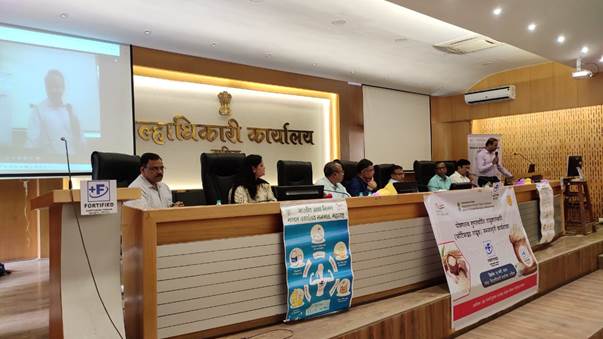
Rice fortification ecosystem has been enhanced significantly on boarding rice millers, FRK manufacturers, industries and other stakeholders for production and supply of fortified rice to meet the target requirement.
There are more than 9000 rice mills in the country which have installed blending infrastructure for production of fortified rice and their cumulative monthly production capacity is around 60 LMT which is increased by more than 4 times since last year.

Fortification of rice is found to be a cost-effective and complementary strategy to increase vitamin and mineral content in diets with low turnaround time (TAT) and a step towards nutritional security and helps in fighting anemia and malnutrition in the country. This strategy is implemented in many parts of the world.
- Environment experts write to MoEFCC to call off the Green Credit Program
- How Solar Power is helping small businesses of Bihar
- Leopards Hold Steady in India, But Regional Woes and Human Conflict Remain
- The Zero-Waste Journey – Redefining Modern Living
- Electricity from mini solar grid helps small businesses in Patna maximize profits
 Ground Tales