While there was a substantial rise in population in several states, it showed a decline in the Western Ghats, necessitating targeted monitoring and conservation efforts.
Shuchita Jha
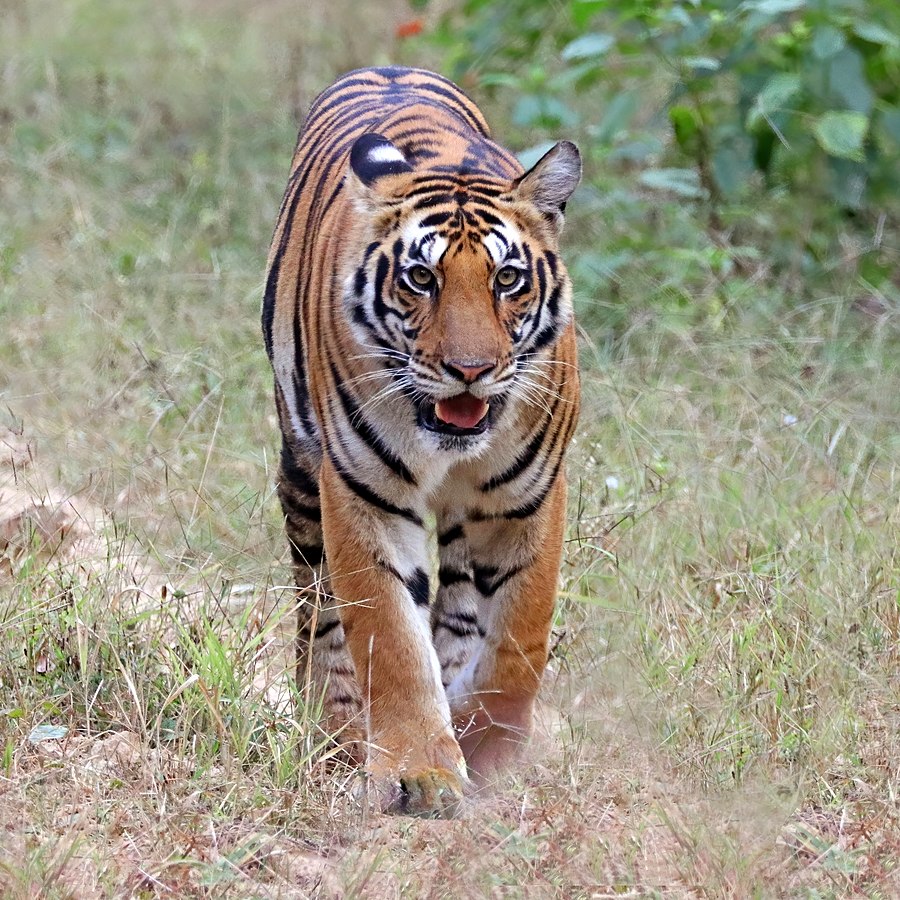
Photo by: Charles J. Sharp of Sharp Photography, sharpphotography.co.uk, https://commons.wikimedia.org/wiki/File:Bengal_tiger_%28Panthera_tigris_tigris%29_female_2.jpg
On the occasion of International Tiger Day, the National Tiger Conservation Authority released the estimated tiger population in India. The latest census has estimated the tiger population in the country to be at 3682 individuals in 2022 from 2967 in 2018, a 24% increase.
This time, there were 3080 unique tigers photographed in the camera traps set up for the census, a substantial rise from 2461 unique tigers captured in 2018. The minimum estimated population
The report explains that in India, tiger-bearing habitats have been divided into five major landscapes based on biogeography and interconnectivity of the habitats: 1) Shivalik-Gangetic plains, 2) Central India and the Eastern Ghats, 3) Western Ghats, 4) North Eastern Hills and Brahmaputra Flood Plains, and 5) the Sundarbans.
It adds that while there was a substantial rise in population in Shivalik- Gangetic flood plains, Central India, North Eastern Hills, and Brahmaputra flood plains and Sundarbans, the population showed a decline in the Western Ghats, necessitating targeted monitoring and conservation efforts.
Some states, including Mizoram, Nagaland, Jharkhand, Goa, Chhattisgarh, and Arunachal Pradesh, have reported disquieting trends with small tiger populations, read the official statement by NTCA.
Madhya Pradesh, known as the tiger state of India has retained its title, with 785 tigers in 2022 from 526 in 2018, despite losing 34 tigers in 2022 alone. Karnataka has ranked second with 563 tigers, an increase of 39 tigers from the last census.
As per the details on the NTCA website, India lost 450 tigers in these four years, with 2021 recording the highest number of deaths at 127, due to poaching and seizure, territorial fights, and natural deaths. By July 2023, India has already lost 112 tigers, with the majority of deaths occurring in Madhya Pradesh 28, followed by Maharashtra with 22.
| Year | No. of tiger deaths |
| 2019 | 96 |
| 2020 | 106 |
| 2021 | 127 |
| 2022 | 121 |
| 2023 | 112 |
| Total | 562 |
| State | Number of deaths in 2023 |
| Madhya Pradesh | 28 |
| Maharashtra | 22 |
| Uttarakhand | 14 |
| Kerala | 11 |
| Assam | 11 |
| Karnataka | 8 |
| Rajasthan | 5 |
| Uttar Pradesh | 5 |
| Tamil Nadu | 4 |
| Bihar | 2 |
| Odisha | 2 |
| Total | 112 |
As per the report, Corbett Tiger Reserve recorded the highest population of tigers with 260 individuals, followed by Bandipur with 150, Nagarhole with 141 and Bandhavgarh and Dudhwa with 135 each.
“Approximately 35% of the tiger reserves urgently require enhanced protection measures, habitat restoration, ungulate augmentation, and subsequent tiger reintroduction,” read the statement.
The NTCA suggests that it is wise to preserve ecological integrity and strongly continue eco-friendly development agenda, minimize mining impacts, and rehabilitate mining sites to restore the tiger population in several landscapes.
It adds, “Additionally, fortifying protected area management, intensifying anti-poaching measures, employing scientific thinking and technology-driven data collection, and addressing human-wildlife conflict are vital steps to protect the country’s tiger populations.”
 Ground Tales
