India’s estimated leopard population has reached 13,874 individuals, according to a new report by the Ministry of Environment, Forest and Climate Change.
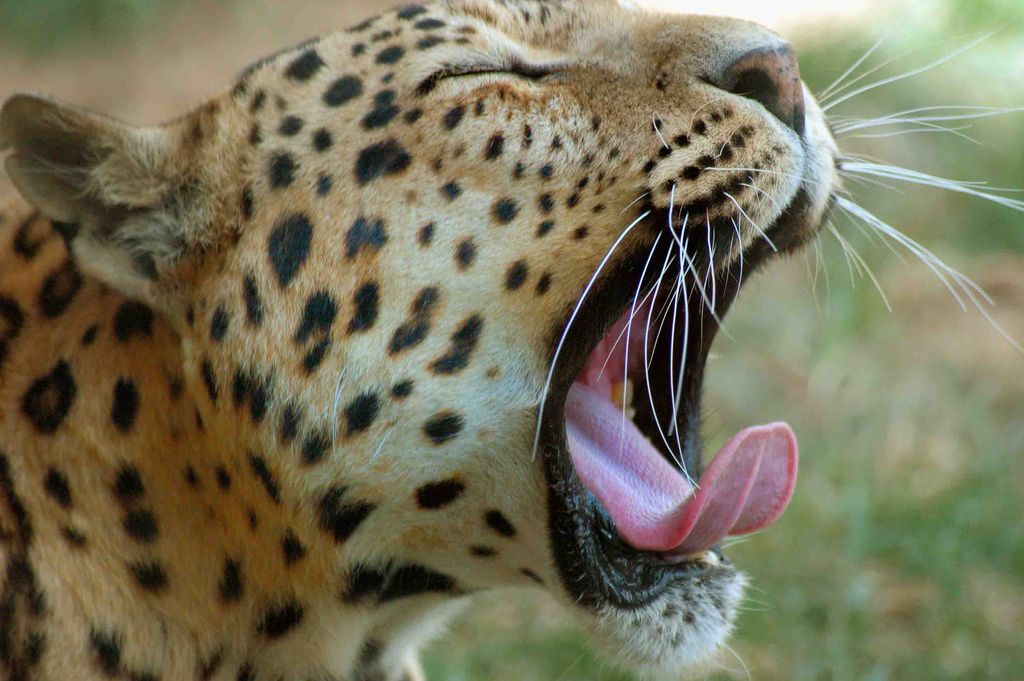
New Delhi, India – A national survey reveals India’s leopard population has remained stable, reaching an estimated 13,874 individuals. However, the news is not all positive, with regional variations and ongoing challenges threatening these elusive big cats.
The fifth cycle of the leopard population estimation, released by the Ministry of Environment, Forest and Climate Change, provides a vital snapshot of the species’ status. While the national figure shows a slight increase of 1.08% compared to 2018, the picture is uneven across different regions.
Central India and the Eastern Ghats saw a positive trend, while the Shivalik hills and Gangetic plains experienced a worrying decline. This highlights the need for targeted conservation efforts in these vulnerable areas.
- The fifth cycle of leopard population estimation (2022) in India focused on forested habitats within 18 tiger states, covering four major tiger conservation landscapes.
- Non-forested habitats, arid, and high Himalayas above 2000 msl (~ 30% area) were not sampled for leopard. This cycle conducted a foot survey spanning 6,41,449 km to estimate carnivore signs and prey abundance.
- Camera traps were strategically placed at 32,803 locations, resulting in a total of 4,70,81,881 photographs, resulting in 85,488 photo-captures of leopard.
“The report emphasizes the critical role of protected areas in conserving leopard populations,” the Ministry stated. Madhya Pradesh emerged as the state with the highest number of leopards (3,907), followed by Maharashtra, Karnataka, and Tamil Nadu.
Despite the stable national figure, the survey underscores the significant threats leopards face outside protected areas. Habitat loss and human-wildlife conflict pose major challenges, requiring collaborative solutions.
Project Tiger’s conservation legacy expands beyond tigers, evident in the leopard status report, showcasing broader species protection efforts. The report emphasizes conservation commitment beyond protected areas, lauding the Forest Department’s dedicated efforts. Project Tiger’s inclusive approach underscores ecosystem interconnectedness and diverse species conservation.
Bhupender Yadav, Union Minister for Environment, Forest and Climate Change
“Rising incidents of conflict pose challenges for both leopards and communities,” the Ministry warned. “Collaborative efforts involving government agencies, conservation organizations, and local communities are essential to enhance habitat protection and mitigate human-wildlife conflict.”
The report underscores the need for continued vigilance and a multi-pronged approach to ensure the long-term survival of leopards in India. While the stable national population offers a glimmer of hope, regional disparities and ongoing threats necessitate immediate action and collaboration to safeguard these magnificent creatures.

Union Minister for Environment, Forest and Climate Change, Bhupender Yadav released the report on Status of Leopards in India, on 29th February, 2024 at New Delhi. Photo- PIB
- Environment experts write to MoEFCC to call off the Green Credit Program
- How Solar Power is helping small businesses of Bihar
- Leopards Hold Steady in India, But Regional Woes and Human Conflict Remain
- The Zero-Waste Journey – Redefining Modern Living
- Electricity from mini solar grid helps small businesses in Patna maximize profits
 Ground Tales